

Tokusatsu Heroes Take on the World: The Birth of “Garuda Knight BIMA” in Indonesia
2021/03/31
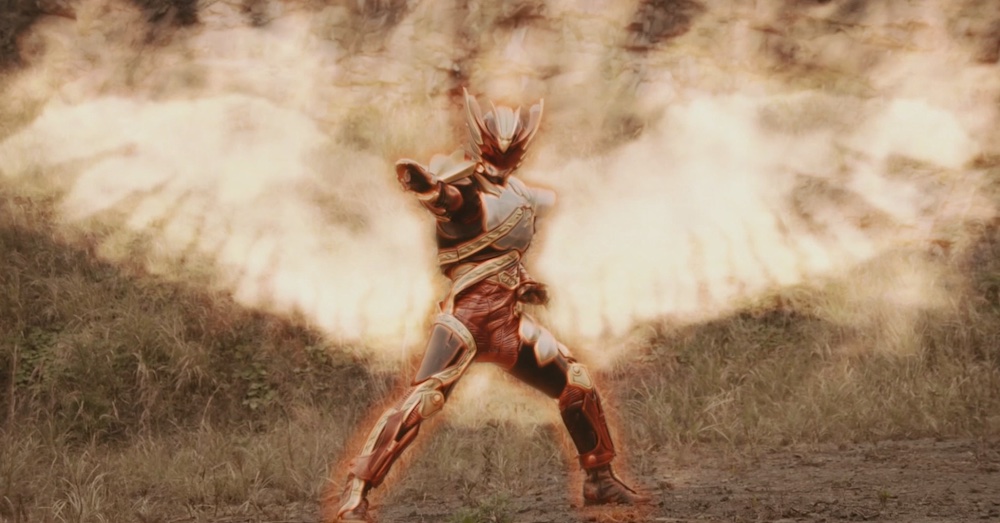
How have international audiences responded to Japanese cinema in recent years? In our series, "Japanese Film Beyond Japan", we look at the global impact of Japanese film through conversations between Japanese and international filmmakers.
This third installment looks at tokusatsu heroes. A Japanese word that literally means “special effects,” tokusatsu TV shows have taken the world by storm ever since shows like "Power Rangers" began making waves outside of Japan in the early 1990s. But what exactly is the appeal of these Japanese heroes?
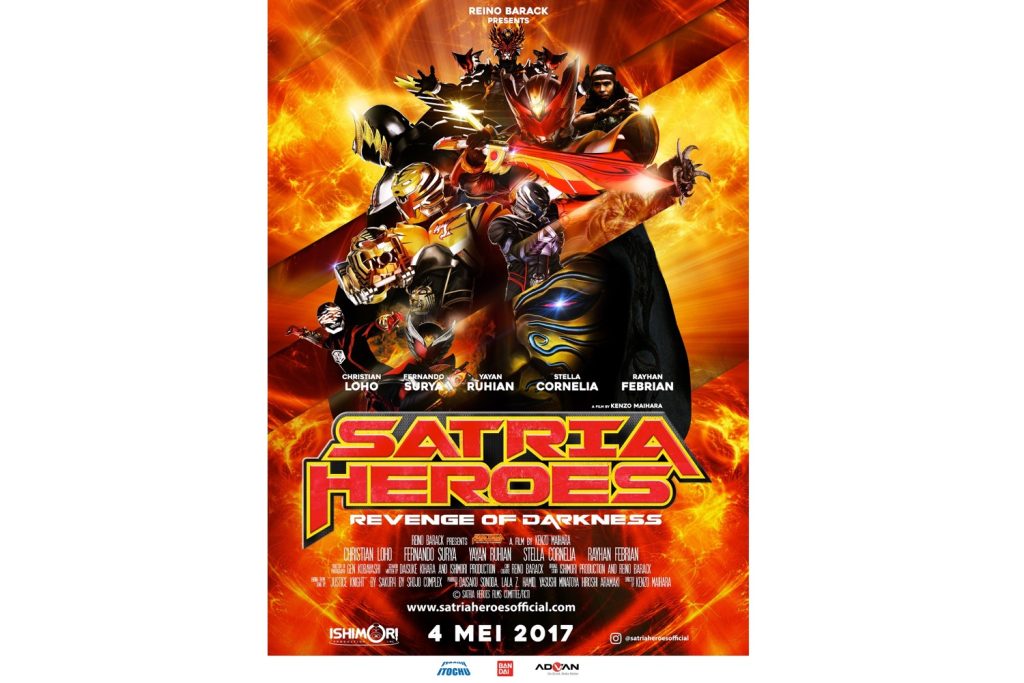
In 2013, Indonesian creator Reino Barack teamed up with Ishimori Productions to create "Garuda Knight BIMA", Indonesia’s first tokusatsu TV series, and its subsequent film "Satria Heroes: Revenge of the Darkness" (2017). We also spoke with Daisaku Sonoda of Ishimori Productions, the literary estate of the "Kamen Rider" series that started it all, which celebrates its 50th anniversary in 2021.
Interviewer/Author: Masaki Mugikura, Editor: Satomi Hara (CINRA, Inc.), Main Photo: Satria Heroes Production Committee
A Hero Who Teaches Children What Is Really Important
── How popular are Japanese anime and tokusatsu series in Indonesia?
Barack: Television broadcasting in Indonesia only began in 1989, and at the time, foreign programs available were the only ones from the United States and Japan. Since Indonesia has a large population of children, there tended to be a large number of Japanese anime and tokusatsu TV shows.
Not only anime like "Doraemon", but also tokusatsu shows like "Kamen Rider" and "Metal Hero". In particular, "Kamen Rider BLACK", one of the first things ever to be broadcasted on Indonesian TV, exploded in popularity. It was also highly dramatic, making it all the rage with everyone from kids to cab drivers.
── What did Ishimori Productions think about the success of tokusatsu in Indonesia?
Sonoda: To be honest, we weren’t really aware of the Indonesian market until we started the "Garuda Knight BIMA" project in 2013. We knew that "Kamen Rider BLACK" was one of the most popular Kamen Rider series of all time and that it had a very passionate fan base in Indonesia, but that was about it.
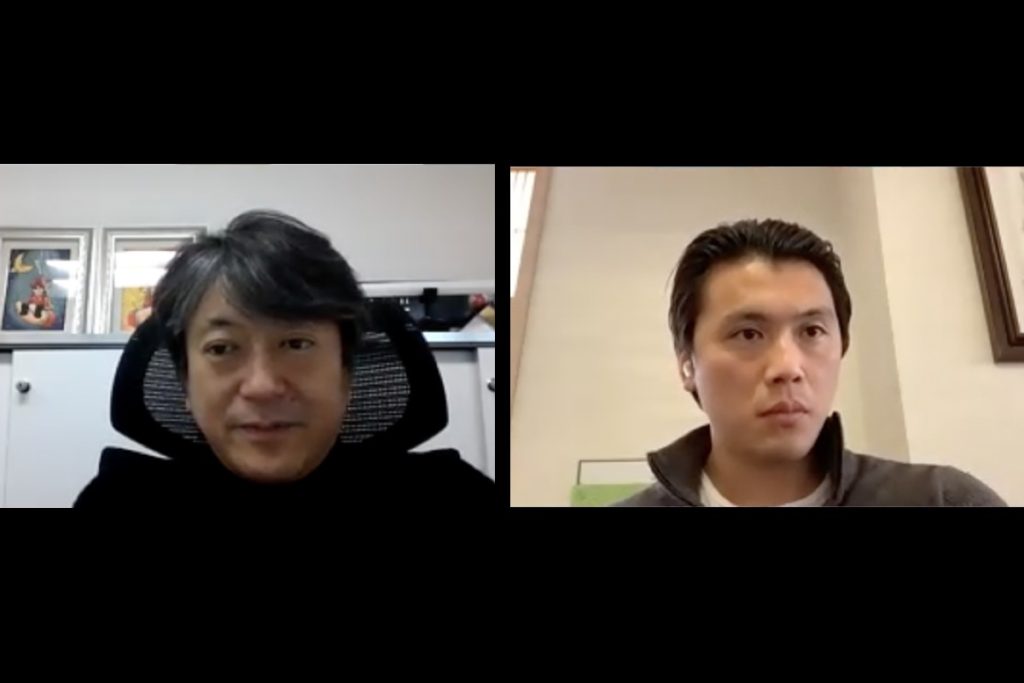
── What was the idea behind "Garuda Knight BIMA", what you might call the first-ever Indonesian "Kamen Rider"?
Barack: First of all, let me say that it had always been a dream of mine to make something like this. Today, Indonesia requires 70% of its TV programs to be produced domestically. As a result, it is no longer possible to show foreign programs like we used to, so Indonesian TV stations are full of low-budget domestic melodramas these days.
Our generation grew up with Japanese tokusatsu heroes to teach us right from wrong. They taught us what true strength is. But right now, there are hardly any shows that children can really get into, the kind of shows that might have a positive impact on their future.
That’s why I wanted to create my own tokusatsu series in Indonesia—a series like the ones I was so fascinated with when I was a kid—so I reached out to Ishimori Productions.
Sonoda: We were surprised at first. In the past, we have had several foreign companies approach us about creating new heroes in their countries, but we had never been able to make it happen. Something would always fall through in the end.
I think budget is the most obvious reason since it costs a lot of money to make a tokusatsu hero series actually work. Sponsorship income alone just isn’t sustainable. So when Reino first presented the idea for "Garuda Knight BIMA", I had my doubts.
Barack: If I were in Mr. Sonoda’s position, I’m sure I would have felt the same way. [laughs]
Sonoda: [laughs] But as we got to talking, I could see the influence that Japanese superheroes had on him, and I was impressed by the depth of his understanding and enthusiasm for the genre. That was when I thought, “Okay, he’s serious about this.” I was also very impressed by his reasoning—that he wanted to make a hero that the children of Indonesia could look up to.
I realized that we had to provide Mr. Reino with all the know-how we had accumulated over the years. We had to create a new hero in Indonesia. Everyone at Ishimori Productions began to feel a strong sense of mission.
“It had to be easy for Indonesian children to understand”
── Hence "Garuda Knight BIMA" was born—a co-production between Japan and Indonesia. What did you have in mind when you started making it?
Barack: First of all, I was determined to make sure it lasted more than one season. Because if it didn’t, children wouldn’t get the message. That’s why we placed such importance on simplicity. First, we chose a motif for our hero—the "garuda", a sacred bird and the national emblem of Indonesia, so that children there could relate to it. We based our costume design on Indonesia’s national color, red, which also features prominently on its flag.
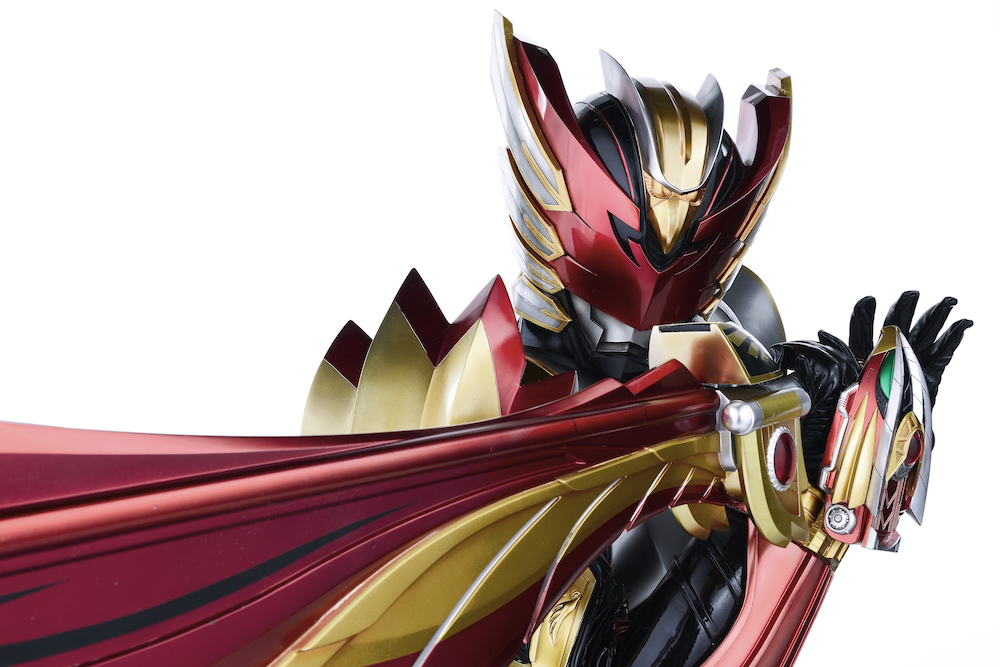
── "BIMA" is modeled completely after the current "Kamen Rider" series and is comparable in quality and production value, isn’t it?
Barack: Thank you for saying so. Ishimori Productions had a huge hand in the production; I really asked the impossible of them for this series.
Sonoda: Not at all. Reino’s unwavering commitment made it easier for us to work with him. Since it was the first time for Ishimori Productions to be involved in a project in Indonesia, we had no idea what would appeal to local children, so we were extremely grateful for Reino’s meticulousness.
When it comes to co-productions between Indonesia and Japan, people might think of a Japanese company imposing its own experience and success stories on local Indonesians, but that wasn’t the case at all. The BIMA project would not have succeeded without Reino. He knows more about tokusatsu heroes than even most Japanese fans—he’s a real "otaku". [laughs] Reino also worked with us on business development, including merchandising, and we are very fortunate to have met him.
50 Years On—The Universal Appeal of "Kamen Rider"
── The "Kamen Rider" series celebrates its 50th anniversary in 2021. What do you think the series has lasted this long, and why has it been so loved by people in Indonesia and around the world for so many years?
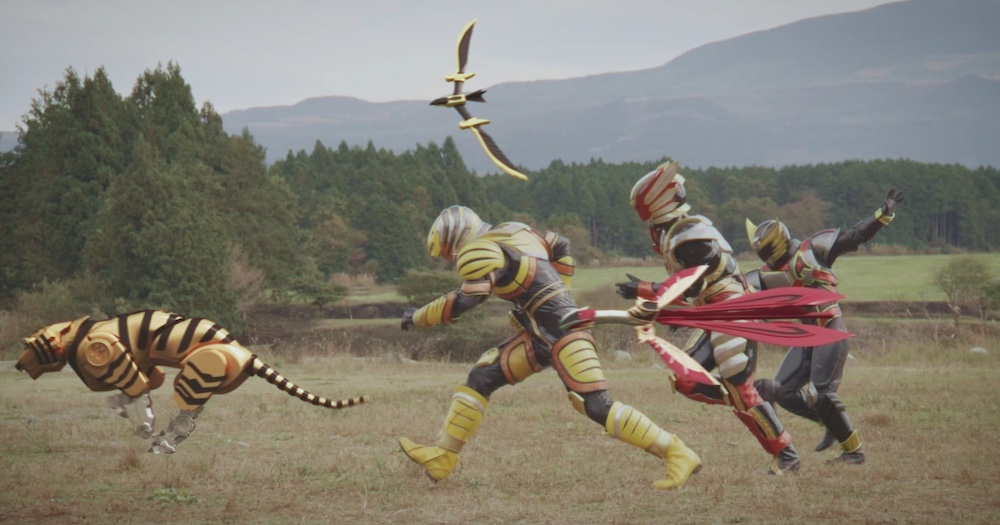
Barack: Well, there are many different kinds of Japanese tokusatsu heroes. There’s the "Super Squadron" series, where five superheroes fight together as a team. Some heroes control robots, and others, like "Ultraman", are larger than life. When we launched "BIMA", I knew that I definitely wanted to make a hero like "Kamen Rider".
"Kamen Rider" fights alone and stays the same size even after he transforms. Children can relate to that. It allows them to pretend to be superheroes themselves. No matter how much I like "Doraemon", I could never dress up like "Doraemon" or be a giant like "Ultraman". That’s what made "Kamen Rider" so appealing to me.
Sonoda: The trope of a human transforming into a "Kamen Rider" makes children feel like they, too, can become a “masked rider.” [laughs] Kids love to strike poses and wear toy versions of the transformation belts from the "Kamen Rider" Series. The appeal is universal for children of any age and in any country, and I think that is what underpins "Kamen Rider’"s popularity.
── There was something revolutionary about seeing "Kamen Rider" strike a pose before transforming.
Sonoda: Let me add that the "Kamen Rider" TV series was initially created by manga artist Shotaro Ishinomori. He was involved in the original story, character design, and naming when he produced the show with Toei. The idea that a comic book series and a TV series could be released simultaneously—what we would now probably call a “media mix” in Japan—was revolutionary 50 years ago.
The fact that it has continued to be a hit throughout Japan for so long is the result of the years of experience that so many people have poured into producing a brand-new "Kamen Rider" every year. I think its popularity can also be attributed to a variety of efforts, like incorporating new elements that have reflected the show’s place in time.
Reino Barack
Born in Jakarta in 1984, Reino served as executive producer of "Garuda Knight BIMA", with a desire to bring “love, hope, and family-oriented heroes to the children of Indonesia.” He currently runs PT. Rizki Bukit Abadi, which is involved in businesses in the service industry that range from entertainment to resorts and restaurants.
Daisaku Sonoda
Senior Managing Director, Ishimori Productions Sonoda was one of the original core members involved in producing "Garuda Knight BIMA", from the setting, plot, and character design to scriptwriting and casting. He served as a producer on the first and second seasons of the television series as well as the feature film "Satria Heroes: Revenge of the Darkness" (2017).